We receive advertising compensation from brands listed on this site, which impacts how they are presented. Advertiser Disclosure

Top 5 Best Antivirus for Mobile 2026
Protect Your Phone. June 10, 2026 Advertiser Disclosure

Top 5 Best Antivirus for Mobile 2026: Protect Your Phone.

Mobile devices are prime targets for phishing, malicious apps, unsecured Wi-Fi, and data breaches. A mobile antivirus helps reduce these risks with real-time protection and online security. This page explains why it matters and compares recommended mobile antivirus options to help you choose the right one for you.


We receive advertising fees from the brands we rank below. Full Advertiser Disclosure


Most recommended.

iHow We Score? Lorem ipsum dolor sit amet, consectetur adipisicing elit. Illum, maxime?

0

Best Antivirus Software 2026

thumb

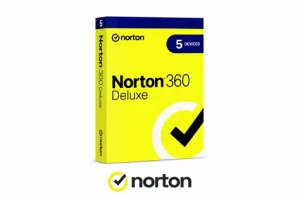
Norton 360 Antivirus Review

  • AI-powered scam protection
  • Real-time protection
  • Multilayered antivirus protection
  • VPN and antivirus in one package
  • Dark Web monitoring
  • Cloud backup
  • Compatible with popular platforms
  • 60-day money-back guarantee
Read Review

9.8

Outstanding


Visit Site Price Details
Trusted by over 3 million users worldwide
thumb

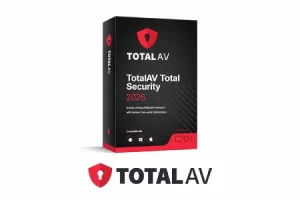
TotalAV Review

  • Award winning Antivirus
  • Eliminate viruses, malware & trojans
  • Multiple devices and platforms
  • Beginner-friendly
  • Real-time protection
  • Privacy tools – Includes VPN & Ad blocker
  • Money-back guarantee 
  • Save $80 OFF!
Read Review
thumb

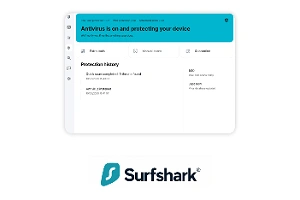
Surfshark Antivirus Review

  • Certified device security
  • Scans files and app in real-time
  • Webcam & web protection
  • AI-powered threat detection
  • 30-day money-back guarantee
Read Review
thumb

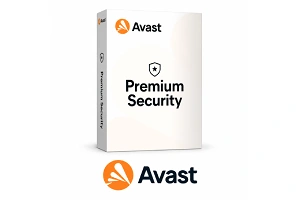
Avast Antivirus Review

  • Award-winning virus protection
  • AI-powered email and online scam protection
  • Includes advanced firewall
  • User-friendly design
  • 30-day money-back guarantee
Read Review
thumb

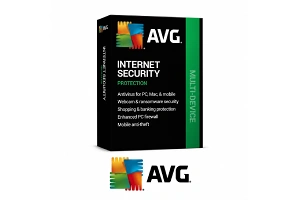
AVG Antivirus Review

  • Multiple awards from independent lab tests
  • Single- and multi-device options
  • Verify network security feature
  • Enhanced firewall; webcam protection
  • 30-day money-back guarantee
Read Review

Best Antivirus Software 2026

rating

9.8


Norton 360 Antivirus Review

Read Our Full Review >>

Norton 360 is a powerful all-in-one security solution for protecting your family across devices, featuring AI-powered scam protection, secure VPN privacy on public Wi-Fi, and dark web monitoring alerts for exposed personal information.
  • AI-powered scam protection
  • Real-time protection
  • Multilayered antivirus protection
  • VPN and antivirus in one package
  • Dark Web monitoring
  • Cloud backup
  • Compatible with popular platforms
  • 60-day money-back guarantee
rating

9.5


TotalAV Review

Read Our Full Review >>

A comprehensive antivirus, TotalAV offers real-time protection, scheduled scans, privacy features, a money-back guarantee, and more.
  • Award winning Antivirus
  • Eliminate viruses, malware & trojans
  • Multiple devices and platforms
  • Beginner-friendly
  • Real-time protection
  • Privacy tools – Includes VPN & Ad blocker
  • Money-back guarantee 
  • Save $80 OFF!
rating

9.4


Surfshark Antivirus Review

Read Our Full Review >>

Surfshark Antivirus is a well-rounded, lightweight, and user-friendly antivirus solution. It has 24/7 customer service and a 30-day money-back guarantee.
  • Certified device security
  • Scans files and app in real-time
  • Webcam & web protection
  • AI-powered threat detection
  • 30-day money-back guarantee
rating

9.3


Avast Antivirus Review

Read Our Full Review >>

Avast’s Premium Security Antivirus protects against malware, viruses, ransomware, and phishing sites. A money-back guarantee and compatibility across major operating systems add to its value.
  • Award-winning virus protection
  • AI-powered email and online scam protection
  • Includes advanced firewall
  • User-friendly design
  • 30-day money-back guarantee
rating

9.2


AVG Antivirus Review

Read Our Full Review >>

AVG Internet Security Antivirus offers real-time malware protection with award-winning technology. Get cross-platform compatibility, protection for up to 10 devices, and advanced security features like webcam protection.
  • Multiple awards from independent lab tests
  • Single- and multi-device options
  • Verify network security feature
  • Enhanced firewall; webcam protection
  • 30-day money-back guarantee

COMPARING THE TOP 5 BEST ANTIVIRUS For Mobile

BrandNorton TotalAVSurfsharkAvastAVG
ReviewRead ReviewRead ReviewRead ReviewRead ReviewRead Review
Rating9.59.89.49.39.2
Money-Back Guarantee60 Days30 Days (Annual Plans)30 Days30 Days30 Days
iOS & Android ProtectionYesYesAndroidYesYes
Real-Time ProtectionYesYesYesYesYes
Data Breach MonitoringYesYesYesNoNo
System CleanupYes (with 360)YesNoYes (Select Plans)Yes (Select Plans)
Blocks Unsafe SitesYesYesYesYesYes
Ad BlockerYes (through browser extension)YesYesNoNo
On-Demand ScansYesYesYesYesYes
Ransomware ProtectionYesYesYesYesYes
SMS & Call Scam ProtectionYesYesYes (Alternative Number)YesYes
Photo/Media VaultYesYesYes (Surfshark)YesYes
App Permission MonitoringYes (Android)Yes (Android)Yes (Android)Yes (Android)Yes (Android)
Password ManagerYesYes (Select Plans)NoNoNo
Visit Site >Visit Site >Visit Site >Visit Site >Visit Site >

Top 5 Mobile Antivirus Apps

Advertising disclosure: We receive advertising fees from the brands listed on this site, which impacts their ranking and rating. We do not physically test the products. We do not include or compare all products or service providers in the market and we encourage users to make further research to select the best product for their needs. Please see our Advertising Disclosure and Ranking & Rating Methodology: Advertising Disclosure

What Mobile Antivirus Does

Mobile antivirus solutions are specifically tailored for smartphone environments (Android and iOS) and work around the clock to safeguard your device by identifying and removing malware, spyware, ransomware, and malicious apps in real time, running background checks without impacting system performance.

In addition to regular email-based phishing protection found on desktops, mobile antivirus also prevents you from clicking malicious links in SMS, social media chats, and even QR codes. They can even block malicious ads for a secure, hassle-free browsing experience. Many top antivirus solutions include device cleanup tools that remove unnecessary clutter, potentially improving your smartphone’s performance, and alert you if a bad actor targets you on a compromised public Wi-Fi network.

Other mobile-specific features include anti-theft tools to track, lock, or wipe data from a lost or stolen device. Some also bundle extra cybersecurity tools such as a password manager, a VPN, and dark web monitoring to provide all-around protection for your phone.

What Threats Are Relevant on Phones

Mobile phones are a common target for threat actors, who may try to compromise them using various methods.

Malicious Apps or Downloads

Like desktops, you may accidentally download and install a malicious application or file on your smartphone that ends up infecting your device with a virus, malware, or spyware and stealing personally identifiable information, causing data theft.

Suspicious App Permissions

Data theft can also occur through apps that look legitimate but request permissions they don’t need to function. For example, a wallpaper app shouldn’t need access to your contacts or storage. An application requesting permissions beyond its purpose is an important red flag to watch out for.

Operating System Vulnerabilities

Your phone’s operating system (Android or iOS) can also introduce new vulnerabilities over time. That’s why manufacturers regularly roll out bugs and security updates. However, in rare cases that threat actors discover those vulnerabilities first, your device could be exposed to risk.

Man-in-the-Middle (MitM) Attacks

Mobile devices are particularly vulnerable to man-in-the-middle (MitM) attacks, where attackers position themselves between two devices that believe they’re communicating securely. The victim may unknowingly hand over sensitive credentials or personal information.

The risk is higher when an app uses unencrypted HTTP connections or when communication happens over SMS messages, which are typically not encrypted. MitM attacks usually occur when mobile phones connect to unsecured Wi-Fi networks, such as those in cafes, airports, or hotels, which provide easy access for snoopers.

Phishing Scams

In a phishing scam, a cybercriminal poses as a trusted entity such as your bank, a delivery partner, or even a known contact and lures you into clicking a malicious link and sharing sensitive information including login details, social security numbers, and banking details.

Although phishing scams aren’t exclusive to phones, mobile devices provide more avenues for attackers to carry them out, including:

  • SMS messages (called smishing)
  • social media platforms
  • QR codes
  • even dating applications

What’s more, phishing sites can be harder to spot on the limited screen real estate of mobile phones, and you may miss details such as misspelled URLs or obvious grammatical errors on the site.

Data Leak from Legitimate Apps

Even data you share with legitimate apps or companies can be stolen by bad actors, who may sell it to data brokers, advertisers, or worse, put it on the dark web for anyone to exploit. This may happen if the company, which is otherwise trusted and reliable, ends up being compromised by a data breach.

Mobile Antivirus: Android vs iPhone

In a nutshell, Android users should look for both strong on-device protection and tools that defend against online threats. iOS users already benefit from stronger built-in on-device protections, so they can prioritize robust online security features in a mobile antivirus solution.

Let’s take a closer look at this difference:

Android

One of the biggest fundamental differences between these two ecosystems is that Android follows an open-source model. While this provides certain advantages, such as flexibility and versatility, it also opens the ecosystem to security issues, as bad actors may identify or even introduce vulnerabilities into the system.

Furthermore, since the Android operating system is used by several mobile manufacturers, there can be significant variation in update frequency and in how much each manufacturer prioritizes security. Android also allows users to easily sideload apps onto their phones. While you should always ensure an app comes from a legitimate source, this remains a gateway that bad actors can exploit to slip malicious apps onto devices and target Android users with malware, viruses, ransomware, spyware, and adware.

That is why comprehensive, real-time scanning and on-device protection, as well as app permission monitoring, are major features of Android antivirus software. Once that’s covered, look for robust protection against phishing, Wi-Fi network monitoring, and data breach alerts.

iOS

Apple doesn’t share its source code, which makes it more difficult for hackers to identify vulnerabilities. The iOS operating system offers standardized experience, which reduces the risk of security gaps from a manufacturing perspective. Apple also rolls out security updates more frequently and more consistently, which is another advantage when it comes to addressing newly discovered vulnerabilities and bugs.

Moreover, iOS has a sandboxing architecture, which means apps run independently of each other. So even if a particular app develops issues, it typically won’t affect other apps or the phone’s operating system. However, this does not make iOS users immune to security threats. As a result, iOS antivirus solutions tend to focus more on online attack vectors such as phishing via email or SMS, data breaches, malicious websites, and identity theft. iPhone users should also look for extra cybersecurity tools like a VPN.

How to Choose the Best Mobile Antivirus for You

We’ve identified the most important factors to consider when looking for the best antivirus for mobile.

Compatibility

First things first, you should check whether the antivirus software you’re considering is compatible with your specific mobile device and OS version. Most antivirus apps support a wide range of OS versions, even older ones, so this usually isn’t a major concern.

Real-World Detection Rates

This is one of the most important factors to consider. The mobile antivirus you pick should reliably and consistently detect malware, viruses, and phishing scams, and back its claims with real-world performance results. They should also provide protection against the latest threats, including new malware signatures, bugs, and vulnerabilities.

Brand Reputation

Stick to reputable antivirus brands that have a clean track record of protecting user privacy and maintaining strong detection rates. Additionally, only download antivirus apps from the official Google Play Store or Apple App Store. Sideloading is never a good idea.

Extra Features

Beyond real-time malware protection, various scan types, and minimal impact on system performance, look for solutions that cover broader security needs, both offline and online. Useful extras include:

  • a firewall
  • password manager
  • VPN
  • dark web monitoring
  • device cleanup tools
  • phishing or scam protection

Multi-Device Coverage

You’ll usually get the best value by choosing a subscription that covers multiple devices, including both mobile phones and desktop PCs (macOS and Windows). This lets you protect not only your own devices but also those of other household members.

Ease of Use and Support

Top antivirus apps pack many features, so they should still be easy to navigate and intuitive, even for beginners. Also prioritize providers that offer 24/7 customer support through multiple channels, ideally email, live chat, and phone.

Budget

The amount you shell out for your mobile antivirus subscription will depend largely on your requirements. If you're looking for a good bargain, you may find it in subscriptions that cover a limited number of devices or offer only the core essentials. However, if you want something closer to a full-blown internet security suite and would also like to protect your entire household, you may have to spend a few extra bucks. The important thing is to match your budget with the features you need and look for value for money rather than absolute cost savings.

What Is the Best Mobile Antivirus 2026?

There isn’t a single “best” mobile antivirus app, as the ideal solution depends on your device type (Android or iOS), the features you need, and your budget. To make the choice easier, we evaluated and compared multiple mobile antivirus solutions and narrowed them down to three apps that deliver strong protection, practical features, and solid value.

Norton

TotalAV

Surfshark


Advertiser Disclosure

Common Questions

Will antivirus slow down my phone or drain the battery?

If you pick a modern mobile antivirus, you don’t have to worry about slowing down your phone or draining your battery. These apps are built to be lightweight and run scans in the background with little to no impact on performance. In fact, since they remove junk files and potentially malicious software, they can even improve system performance.

How often should I scan my phone with antivirus?

You generally don’t need to manually scan your phone often, as most modern mobile antivirus apps come with automatic protection. They intuitively run scans in the background, analyzing newly downloaded files or apps for threats. They also usually provide the option to schedule automatic scans in advance. However, if you want to be doubly sure, you can run a manual scan once a week.

Do iPhones Need Antivirus?

iOS offers robust built-in security, so traditional virus scanning is less central than on Android devices. However, iPhone users can still be exposed to phishing, malicious links, and compromised networks. Security apps for iOS therefore focus mainly on online threat protection and privacy tools rather than classic virus removal.

COMPARING THE TOP 5 BEST ANTIVIRUS For Mobile

BrandNorton TotalAVSurfsharkAvastAVG
ReviewRead ReviewRead ReviewRead ReviewRead ReviewRead Review
Rating9.59.89.49.39.2
Money-Back Guarantee60 Days30 Days (Annual Plans)30 Days30 Days30 Days
iOS & Android ProtectionYesYesAndroidYesYes
Real-Time ProtectionYesYesYesYesYes
Data Breach MonitoringYesYesYesNoNo
System CleanupYes (with 360)YesNoYes (Select Plans)Yes (Select Plans)
Blocks Unsafe SitesYesYesYesYesYes
Ad BlockerYes (through browser extension)YesYesNoNo
On-Demand ScansYesYesYesYesYes
Ransomware ProtectionYesYesYesYesYes
SMS & Call Scam ProtectionYesYesYes (Alternative Number)YesYes
Photo/Media VaultYesYesYes (Surfshark)YesYes
App Permission MonitoringYes (Android)Yes (Android)Yes (Android)Yes (Android)Yes (Android)
Password ManagerYesYes (Select Plans)NoNoNo
Visit Site >Visit Site >Visit Site >Visit Site >Visit Site >

Advertising disclosure: We receive advertising fees from the brands listed on this site, which impacts their ranking and rating. We do not physically test the products. We do not include or compare all products or service providers in the market and we encourage users to make further research to select the best product for their needs. Please see our Advertising Disclosure and Ranking & Rating Methodology: Advertising Disclosure

What Mobile Antivirus Does

Mobile antivirus solutions are specifically tailored for smartphone environments (Android and iOS) and work around the clock to safeguard your device by identifying and removing malware, spyware, ransomware, and malicious apps in real time, running background checks without impacting system performance.

In addition to regular email-based phishing protection found on desktops, mobile antivirus also prevents you from clicking malicious links in SMS, social media chats, and even QR codes. They can even block malicious ads for a secure, hassle-free browsing experience. Many top antivirus solutions include device cleanup tools that remove unnecessary clutter, potentially improving your smartphone’s performance, and alert you if a bad actor targets you on a compromised public Wi-Fi network.

Other mobile-specific features include anti-theft tools to track, lock, or wipe data from a lost or stolen device. Some also bundle extra cybersecurity tools such as a password manager, a VPN, and dark web monitoring to provide all-around protection for your phone.

What Threats Are Relevant on Phones

Mobile phones are a common target for threat actors, who may try to compromise them using various methods.

Malicious Apps or Downloads

Like desktops, you may accidentally download and install a malicious application or file on your smartphone that ends up infecting your device with a virus, malware, or spyware and stealing personally identifiable information, causing data theft.

Suspicious App Permissions

Data theft can also occur through apps that look legitimate but request permissions they don’t need to function. For example, a wallpaper app shouldn’t need access to your contacts or storage. An application requesting permissions beyond its purpose is an important red flag to watch out for.

Operating System Vulnerabilities

Your phone’s operating system (Android or iOS) can also introduce new vulnerabilities over time. That’s why manufacturers regularly roll out bugs and security updates. However, in rare cases that threat actors discover those vulnerabilities first, your device could be exposed to risk.

Man-in-the-Middle (MitM) Attacks

Mobile devices are particularly vulnerable to man-in-the-middle (MitM) attacks, where attackers position themselves between two devices that believe they’re communicating securely. The victim may unknowingly hand over sensitive credentials or personal information.

The risk is higher when an app uses unencrypted HTTP connections or when communication happens over SMS messages, which are typically not encrypted. MitM attacks usually occur when mobile phones connect to unsecured Wi-Fi networks, such as those in cafes, airports, or hotels, which provide easy access for snoopers.

Phishing Scams

In a phishing scam, a cybercriminal poses as a trusted entity such as your bank, a delivery partner, or even a known contact and lures you into clicking a malicious link and sharing sensitive information including login details, social security numbers, and banking details.

Although phishing scams aren’t exclusive to phones, mobile devices provide more avenues for attackers to carry them out, including:

  • SMS messages (called smishing)
  • social media platforms
  • QR codes
  • even dating applications

What’s more, phishing sites can be harder to spot on the limited screen real estate of mobile phones, and you may miss details such as misspelled URLs or obvious grammatical errors on the site.

Data Leak from Legitimate Apps

Even data you share with legitimate apps or companies can be stolen by bad actors, who may sell it to data brokers, advertisers, or worse, put it on the dark web for anyone to exploit. This may happen if the company, which is otherwise trusted and reliable, ends up being compromised by a data breach.

Mobile Antivirus: Android vs iPhone

In a nutshell, Android users should look for both strong on-device protection and tools that defend against online threats. iOS users already benefit from stronger built-in on-device protections, so they can prioritize robust online security features in a mobile antivirus solution.

Let’s take a closer look at this difference:

Android

One of the biggest fundamental differences between these two ecosystems is that Android follows an open-source model. While this provides certain advantages, such as flexibility and versatility, it also opens the ecosystem to security issues, as bad actors may identify or even introduce vulnerabilities into the system.

Furthermore, since the Android operating system is used by several mobile manufacturers, there can be significant variation in update frequency and in how much each manufacturer prioritizes security. Android also allows users to easily sideload apps onto their phones. While you should always ensure an app comes from a legitimate source, this remains a gateway that bad actors can exploit to slip malicious apps onto devices and target Android users with malware, viruses, ransomware, spyware, and adware.

That is why comprehensive, real-time scanning and on-device protection, as well as app permission monitoring, are major features of Android antivirus software. Once that’s covered, look for robust protection against phishing, Wi-Fi network monitoring, and data breach alerts.

iOS

Apple doesn’t share its source code, which makes it more difficult for hackers to identify vulnerabilities. The iOS operating system offers standardized experience, which reduces the risk of security gaps from a manufacturing perspective. Apple also rolls out security updates more frequently and more consistently, which is another advantage when it comes to addressing newly discovered vulnerabilities and bugs.

Moreover, iOS has a sandboxing architecture, which means apps run independently of each other. So even if a particular app develops issues, it typically won’t affect other apps or the phone’s operating system. However, this does not make iOS users immune to security threats. As a result, iOS antivirus solutions tend to focus more on online attack vectors such as phishing via email or SMS, data breaches, malicious websites, and identity theft. iPhone users should also look for extra cybersecurity tools like a VPN.

How to Choose the Best Mobile Antivirus for You

We’ve identified the most important factors to consider when looking for the best antivirus for mobile.

Compatibility

First things first, you should check whether the antivirus software you’re considering is compatible with your specific mobile device and OS version. Most antivirus apps support a wide range of OS versions, even older ones, so this usually isn’t a major concern.

Real-World Detection Rates

This is one of the most important factors to consider. The mobile antivirus you pick should reliably and consistently detect malware, viruses, and phishing scams, and back its claims with real-world performance results. They should also provide protection against the latest threats, including new malware signatures, bugs, and vulnerabilities.

Brand Reputation

Stick to reputable antivirus brands that have a clean track record of protecting user privacy and maintaining strong detection rates. Additionally, only download antivirus apps from the official Google Play Store or Apple App Store. Sideloading is never a good idea.

Extra Features

Beyond real-time malware protection, various scan types, and minimal impact on system performance, look for solutions that cover broader security needs, both offline and online. Useful extras include:

  • a firewall
  • password manager
  • VPN
  • dark web monitoring
  • device cleanup tools
  • phishing or scam protection

Multi-Device Coverage

You’ll usually get the best value by choosing a subscription that covers multiple devices, including both mobile phones and desktop PCs (macOS and Windows). This lets you protect not only your own devices but also those of other household members.

Ease of Use and Support

Top antivirus apps pack many features, so they should still be easy to navigate and intuitive, even for beginners. Also prioritize providers that offer 24/7 customer support through multiple channels, ideally email, live chat, and phone.

Budget

The amount you shell out for your mobile antivirus subscription will depend largely on your requirements. If you’re looking for a good bargain, you may find it in subscriptions that cover a limited number of devices or offer only the core essentials. However, if you want something closer to a full-blown internet security suite and would also like to protect your entire household, you may have to spend a few extra bucks. The important thing is to match your budget with the features you need and look for value for money rather than absolute cost savings.

What Is the Best Mobile Antivirus 2026?

There isn’t a single “best” mobile antivirus app, as the ideal solution depends on your device type (Android or iOS), the features you need, and your budget. To make the choice easier, we evaluated and compared multiple mobile antivirus solutions and narrowed them down to three apps that deliver strong protection, practical features, and solid value.

Norton

TotalAV

Surfshark


Search
  • This website is offered for use free of charge and aims to offer its users informative content. We receive advertising compensation when users click links on our website and make a purchase. The advertising compensation we receive, our research findings, product features, and market sentiment impact how products and services are presented and ranked on our site. Please see How We Rate.

    The way we present and rank products, services, and companies is subjective and should not be viewed as objective or independent assessments. We do not physically test the products and services, and we do not include or compare all products or services in the market. We encourage you to conduct your own research and comparison before making purchasing decisions.

    The content on the website is provided “as-is” without warranties or guarantees, and it does not constitute an encouragement or endorsement to purchase the goods. See our Terms of Use and Privacy Policy.

  • This website is offered for use free of charge and aims to offer its users informative content. We receive advertising compensation when users click links on our website and make a purchase. The advertising compensation we receive, our research findings, product features, and market sentiment impact how products and services are presented and ranked on our site. Please see How We Rate.

    The way we present and rank products, services, and companies is subjective and should not be viewed as objective or independent assessments. We do not physically test the products and services, and we do not include or compare all products or services in the market. We encourage you to conduct your own research and comparison before making purchasing decisions.

    The content on the website is provided “as-is” without warranties or guarantees, and it does not constitute an encouragement or endorsement to purchase the goods. See our Terms of Use and Privacy Policy.